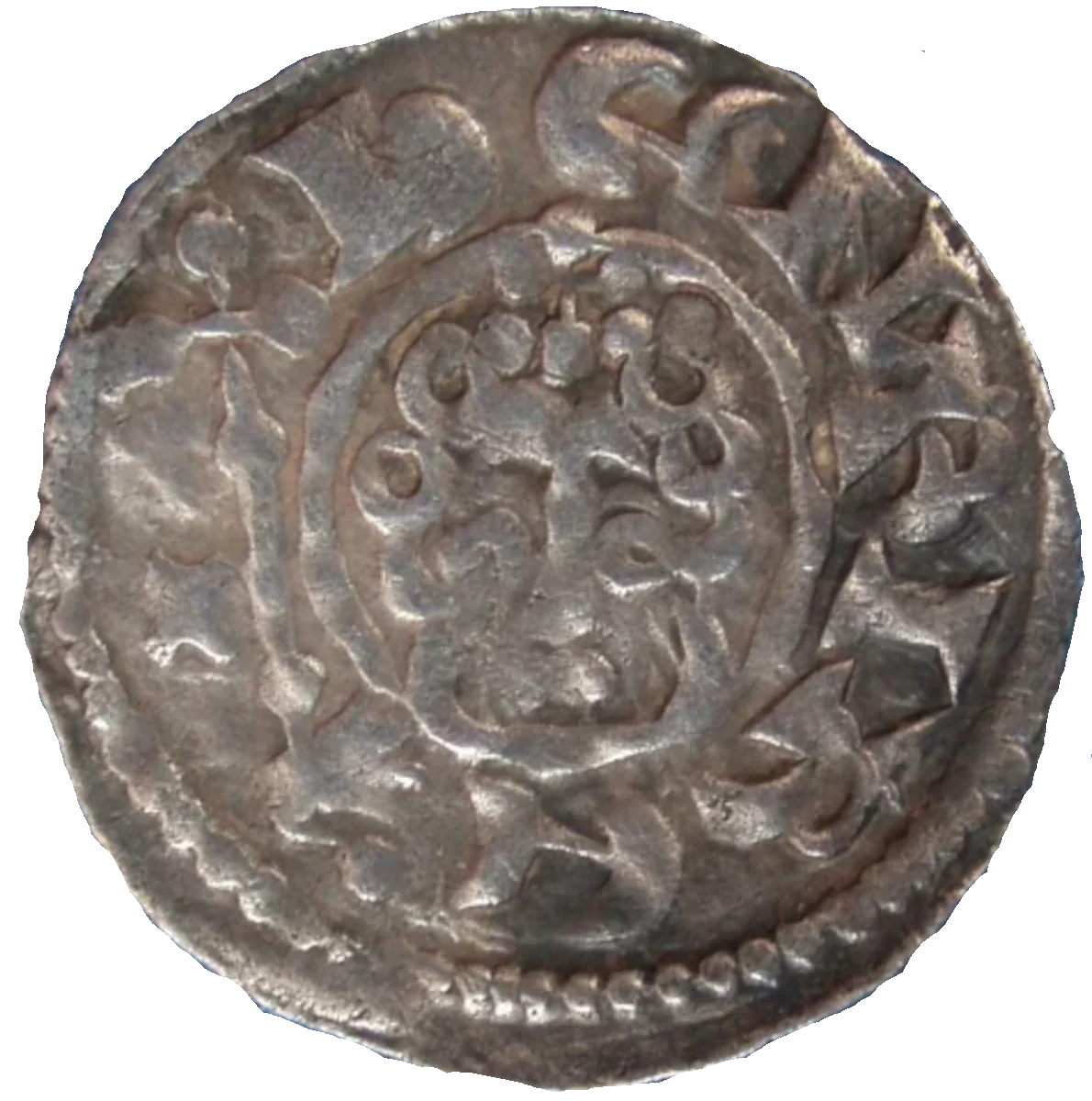
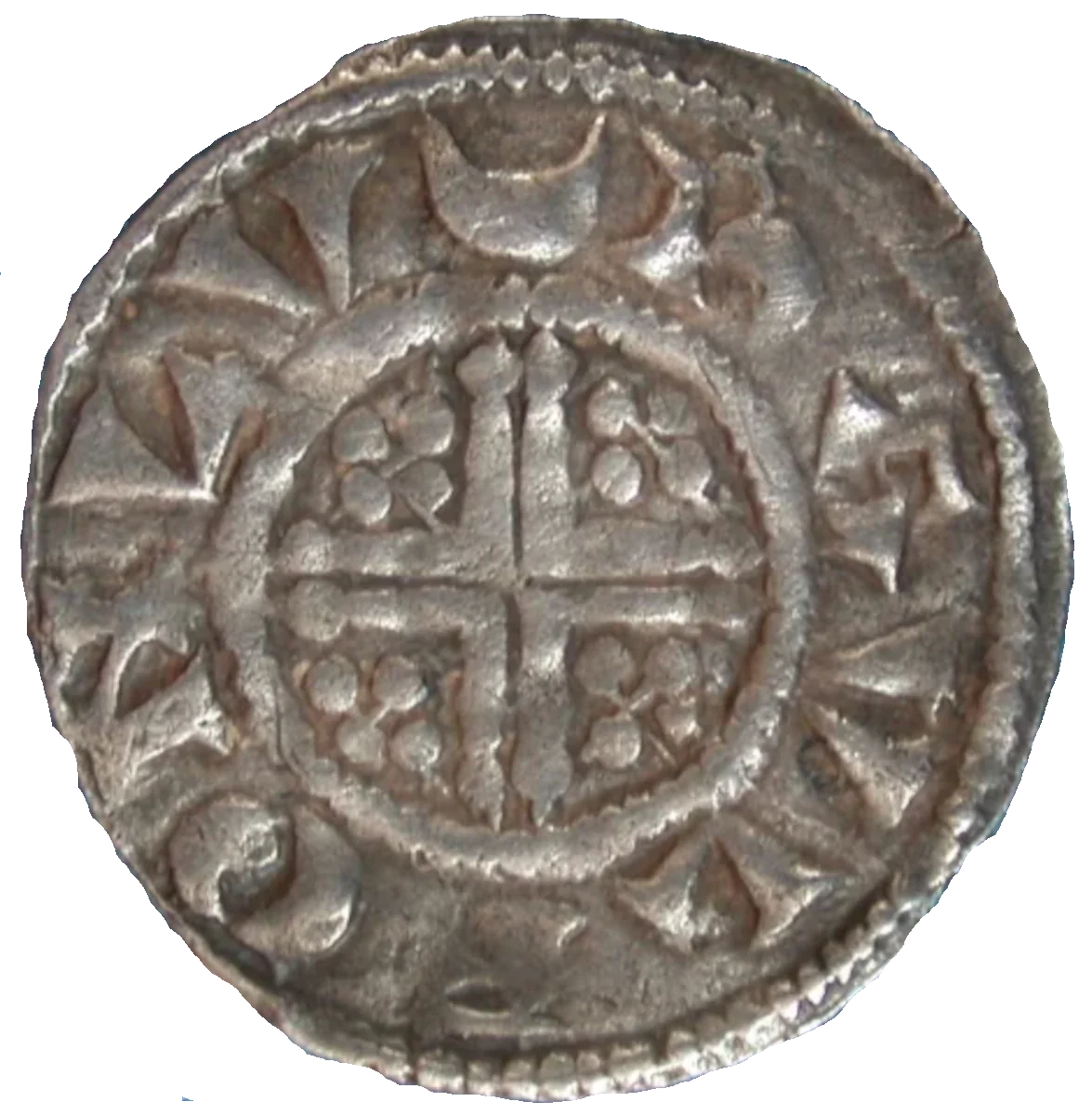
Henry III (1216–1272)
Henry III’s reign saw significant monetary experimentation. While pennies remained dominant, increasing demand for small change led to the introduction of round farthings, intended to replace the then current practice of cutting pennies into halves or quarters to make small change.
Historical Context
Documentary records from 1222 authorised the production of round farthings under Henry III, with 16 dies issued for their manufacture and royal proclamations regulating their use. While the number of dies issued implies that thousands of round farthings may have been struck, surviving examples are exceptionally rare, with the first recorded discovery occurring in 1991...
Coin Characteristics
- Metal: Silver
- Denomination: Farthing (¼ penny)
- Mint(s): London
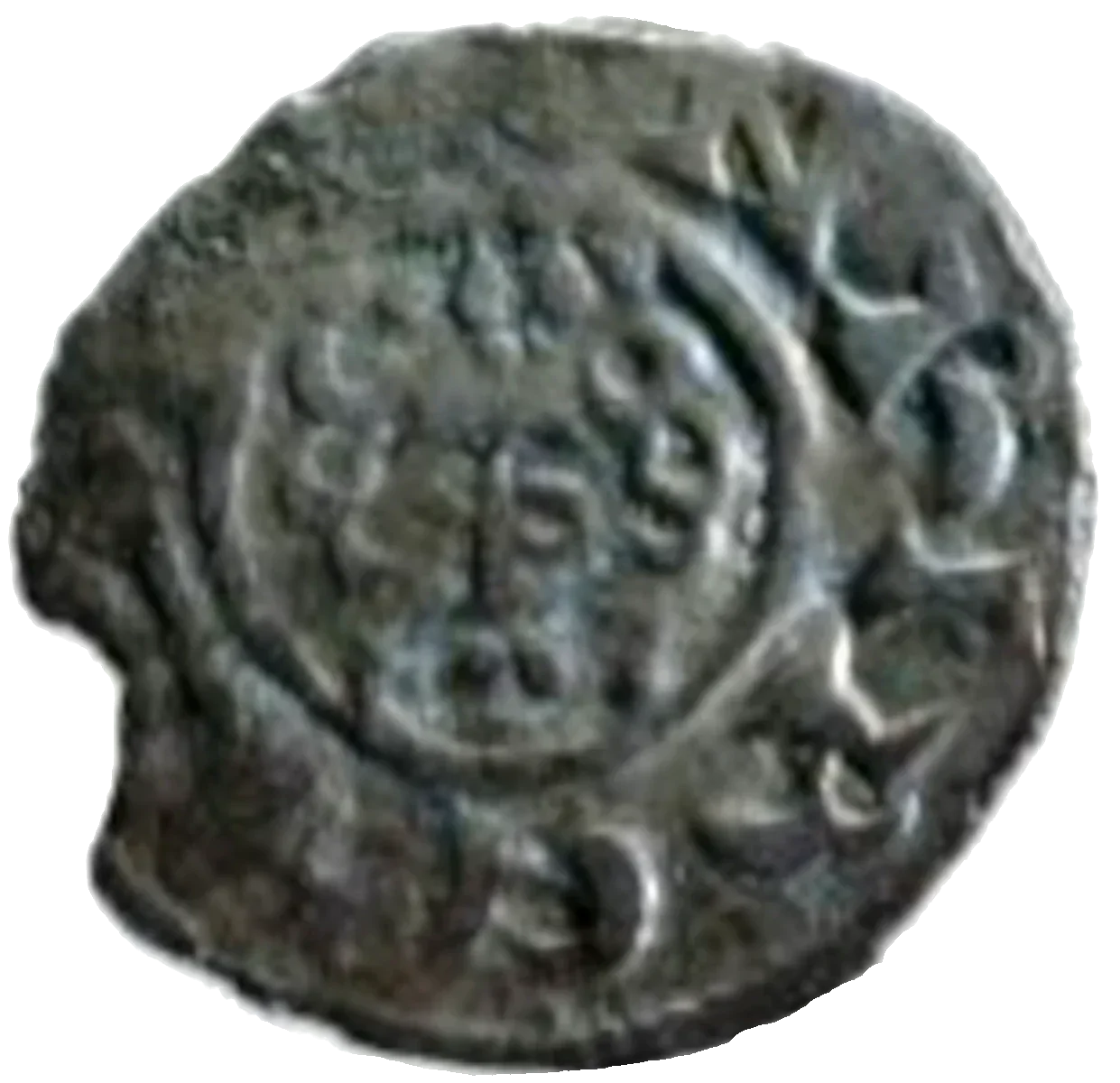
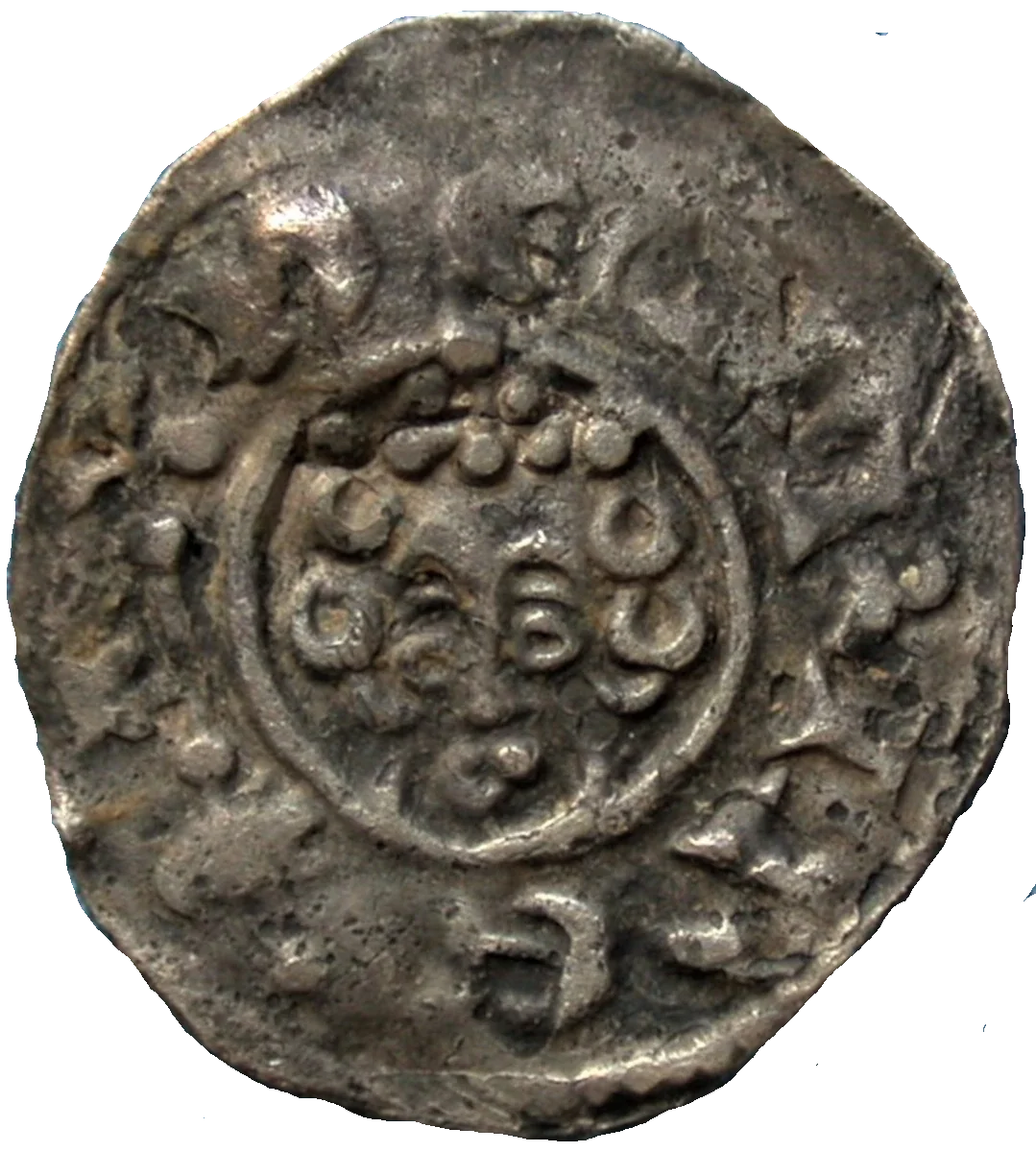
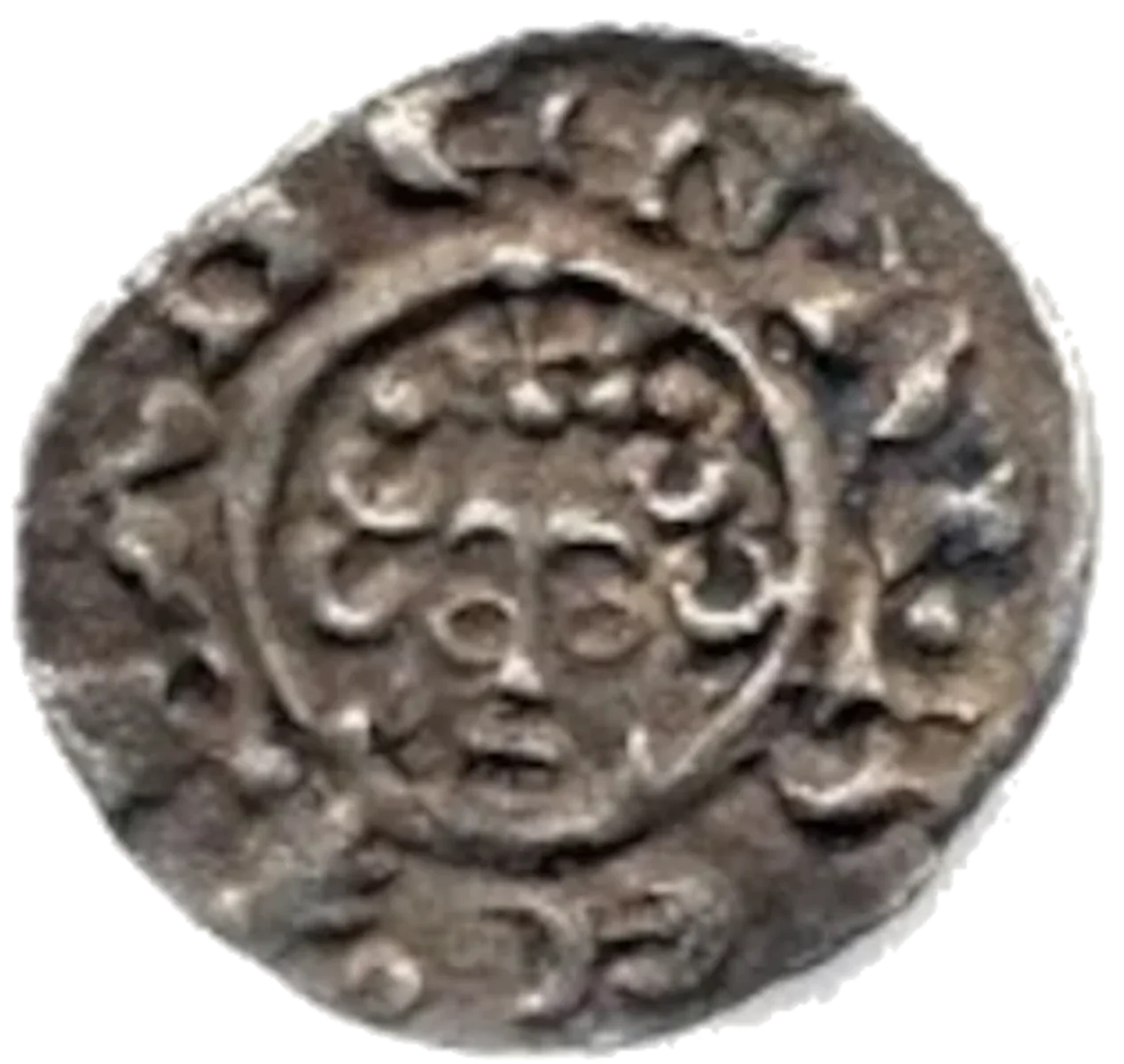
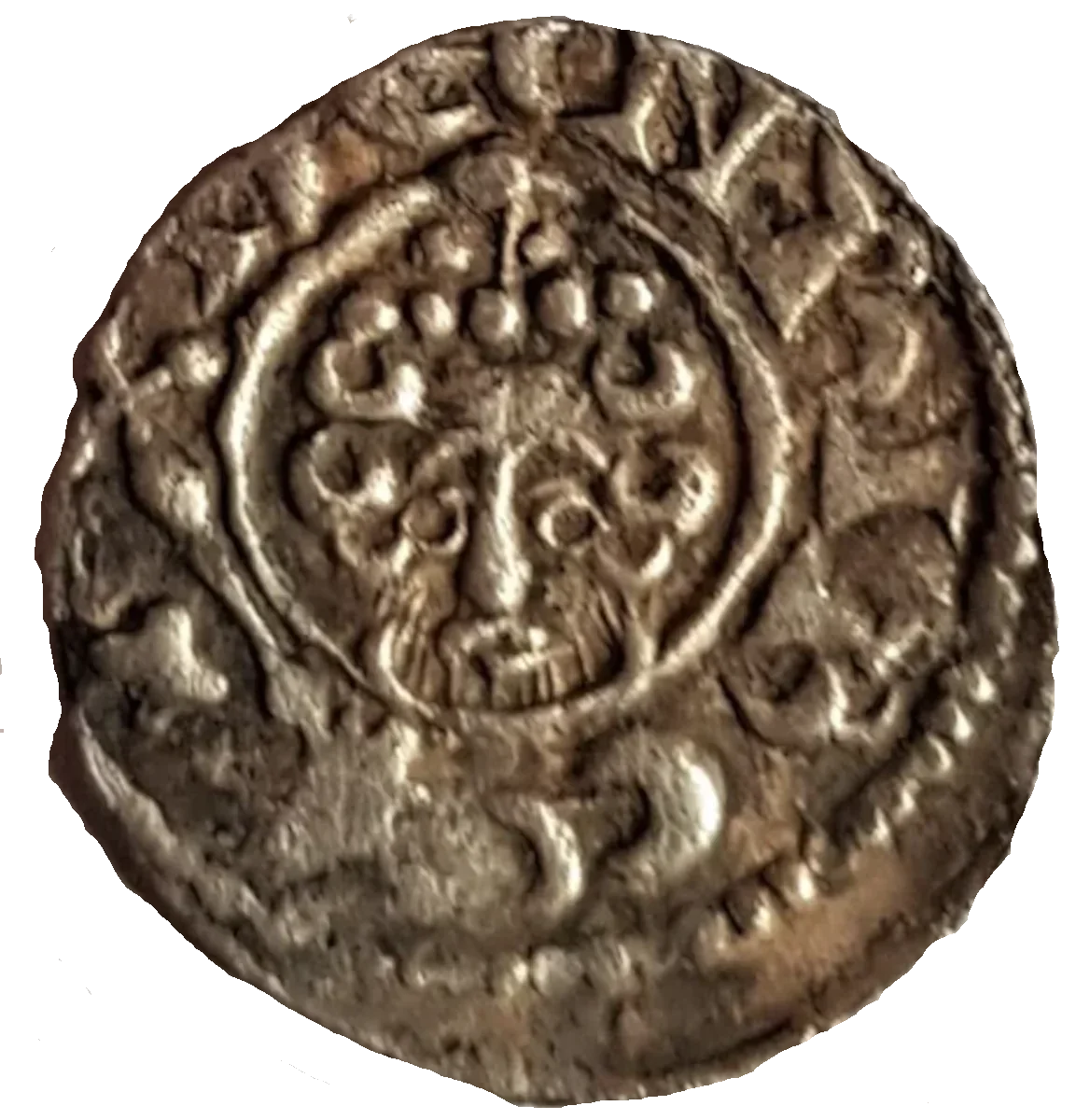
- Obverse: Crowned head with sceptre
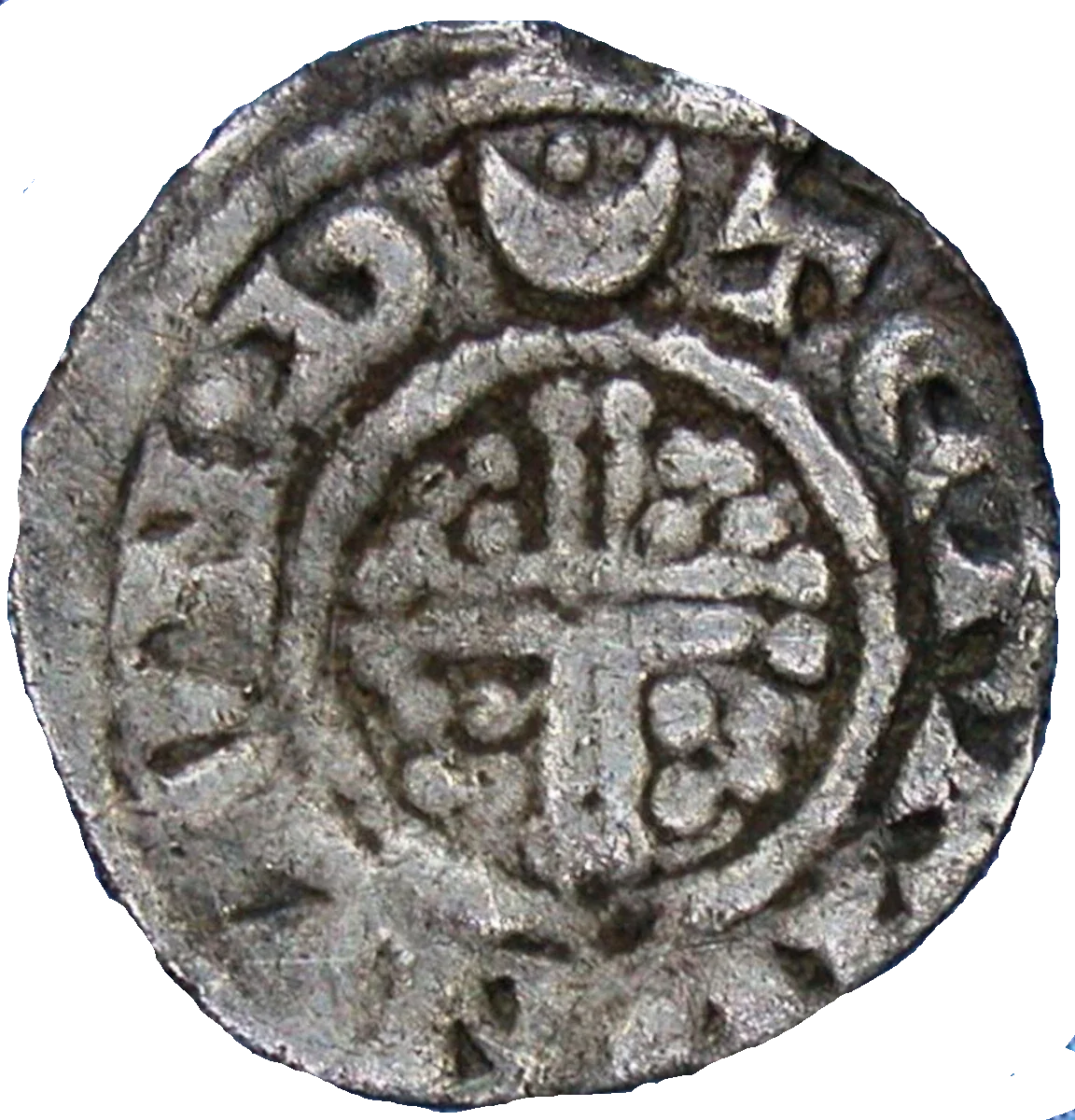
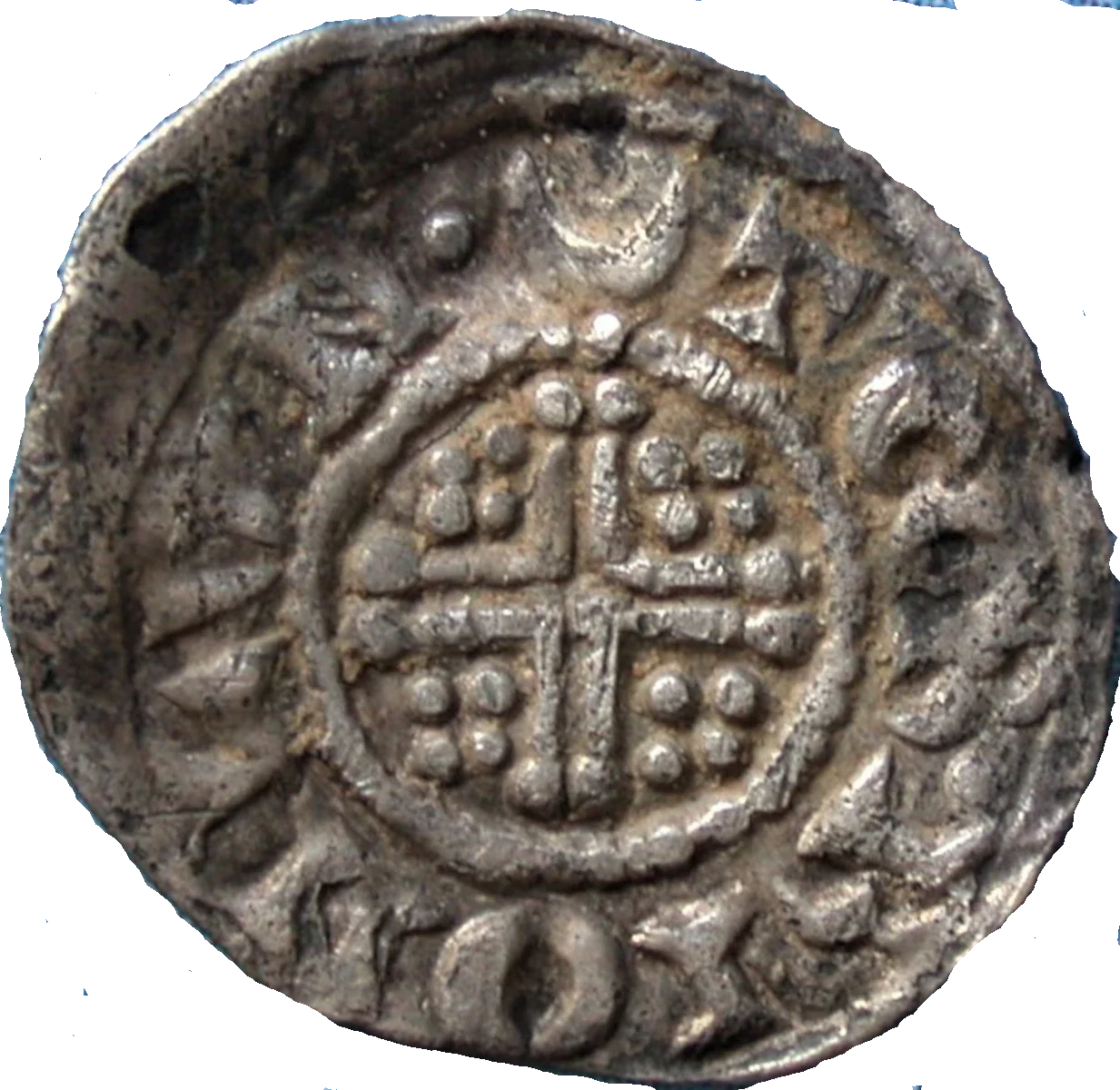
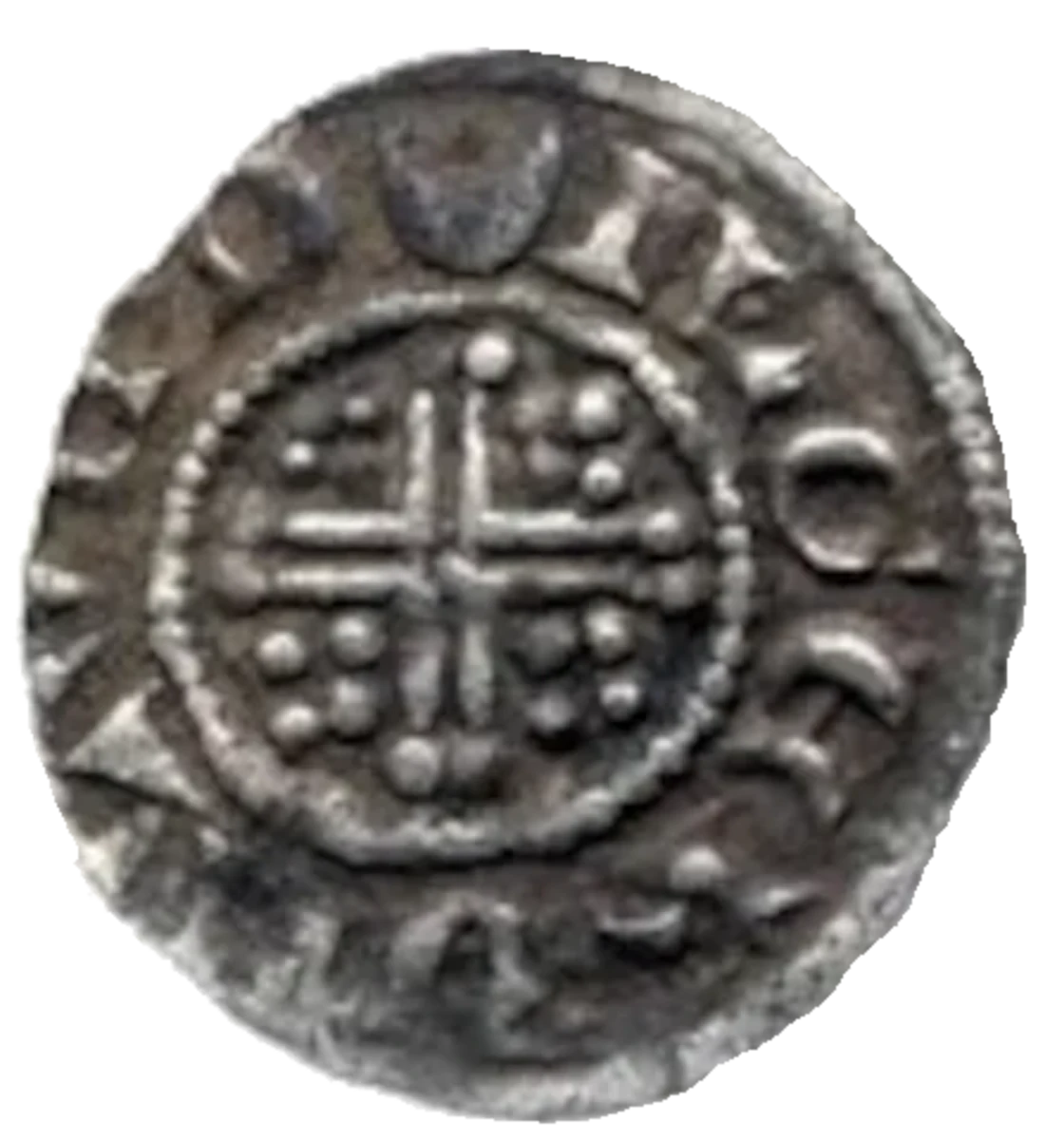
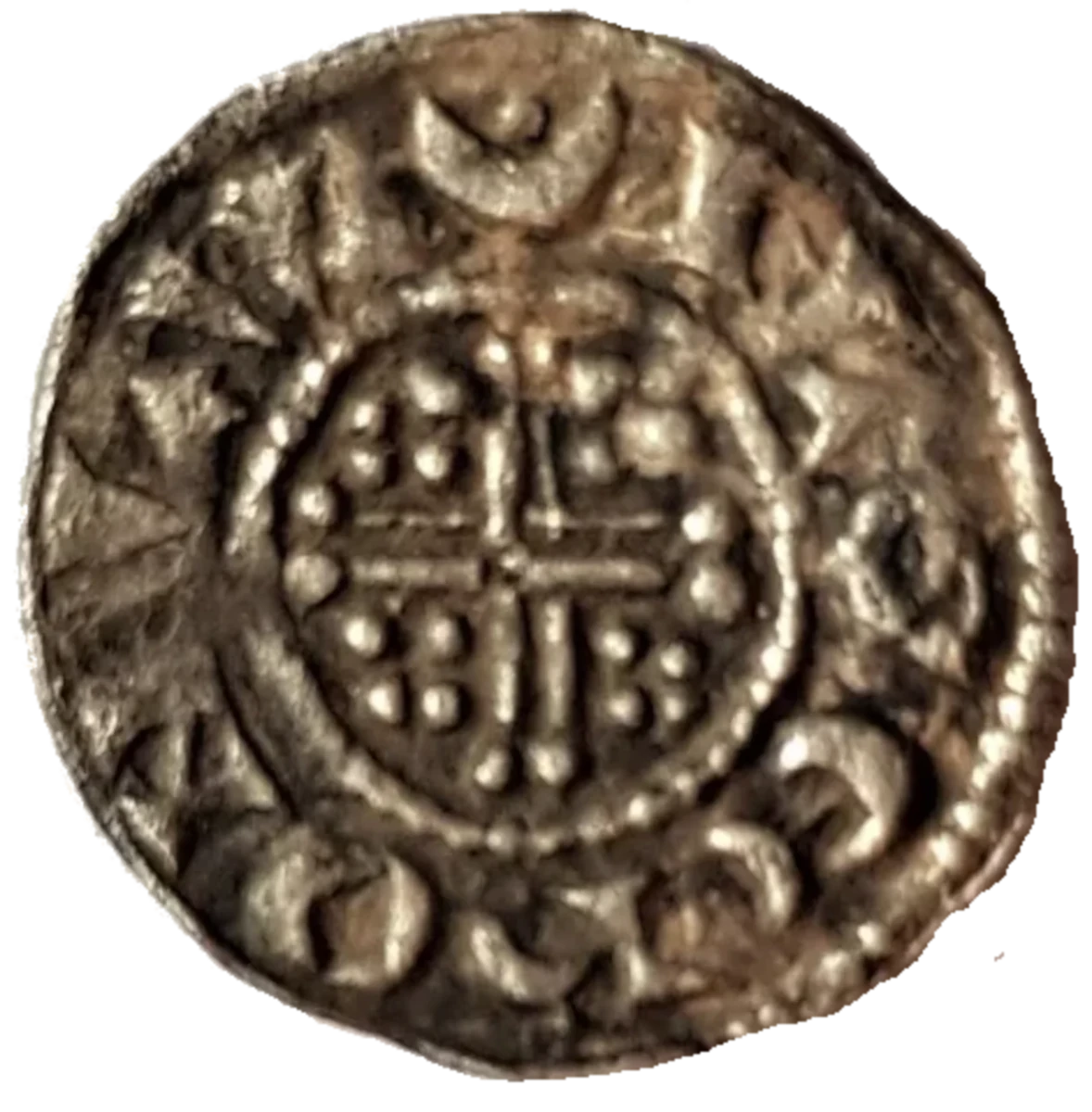
- Reverse: Short cross with 4 pellets in each quarter
- Coin diameter: 10-11mm
- Inner circle diameter: 10-11mm
- Weight: 0.31-0.34g
Coin Examples
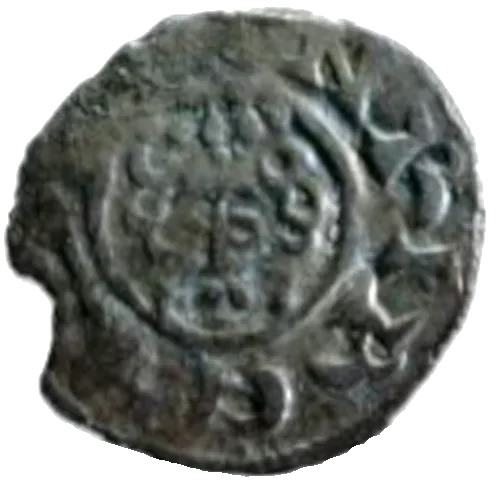
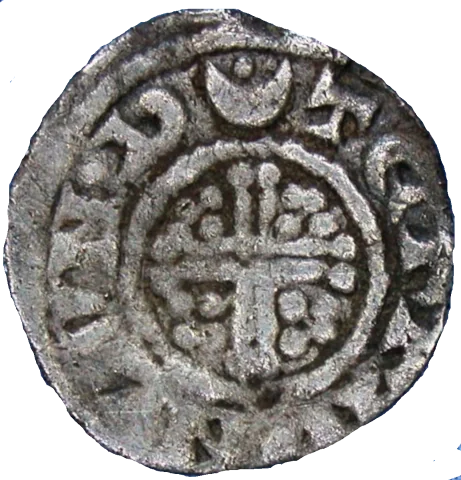
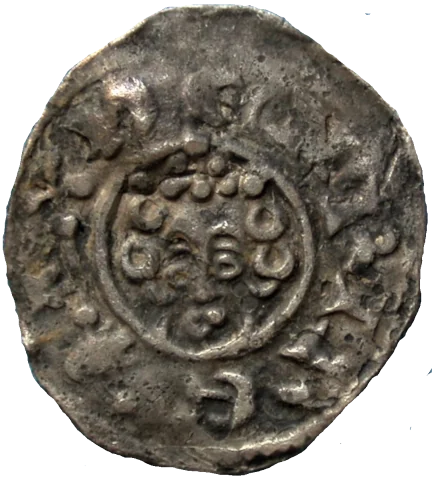
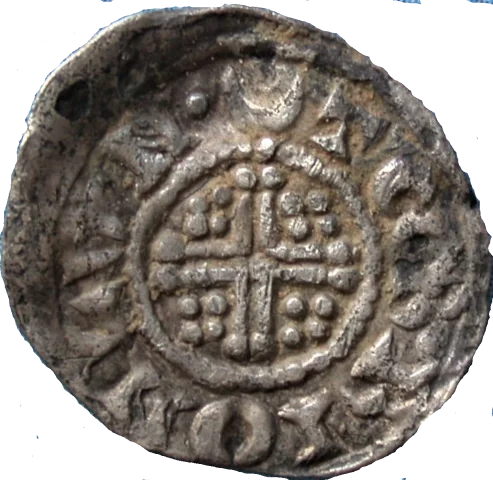
Year(s): c.1222
Mint: London
Moneyer: TERRI (Terricus le Chaunier - a Custodes Monetae)
Obverse: HEN·RI·RE X, crowned facing portrait, with sceptre in the legend. Legend starting at 11 o'clock.
Reverse: TERRIONLVN·D with horizontal crescent surrounding a pellet at 12 o'clock. "Short Cross" with four pellets in each quarter.
Reference(s): S.1357E, North 981/5
Scarcity: Extremely rare
Guide Price: £2500 (Fine) £7500 (Very Fine)
Year(s): c.1222
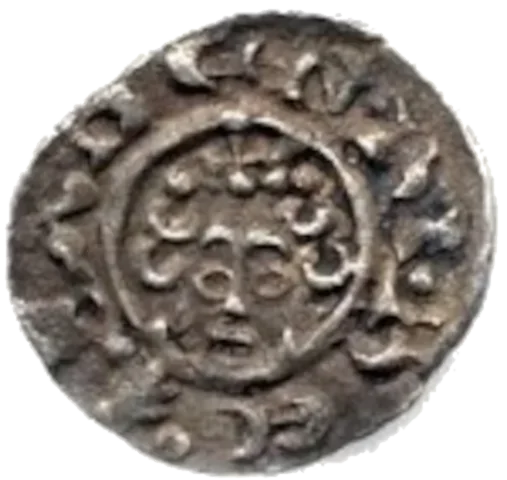
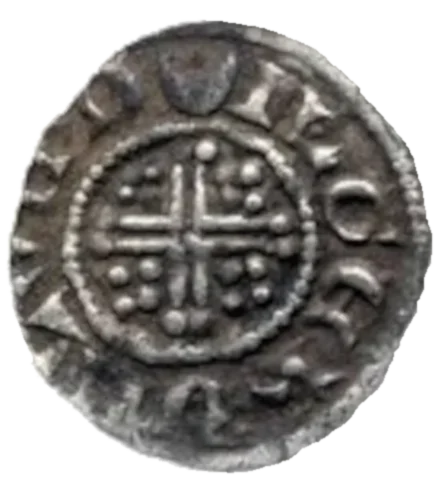
Mint: London
Moneyer: TERRI (Terricus le Chaunier - a Custodes Monetae)
Obverse: HEN·RI·RE X, crowned facing portrait, with sceptre in the legend. Legend starting at 11 o'clock.
Reverse: TER·RIONLVN· (double barred N in LVN) with horizontal crescent surrounding a pellet at 12 o'clock. "Short Cross" with four pellets in each quarter.
Reference(s): S.1357E, North 981/5
Scarcity: Extremely rare
Guide Price: £2500 (Fine) £7500 (Very Fine)
Year(s): c.1222
Mint: London
Moneyer: ILGER (Ilgerius Aurifaber - the king's goldsmith and a Custodes Monetae)
Obverse: HEN·RI·RE X, crowned facing portrait, with sceptre in the legend. Legend starting at 11 o'clock.
Reverse: ILGERONLVND with horizontal crescent surrounding a pellet at 12 o'clock. "Short Cross" with four pellets in each quarter.
Reference(s): S.1357E, North 981/5
Scarcity: Extremely rare
Guide Price: £2500 (Fine) £7500 (Very Fine)
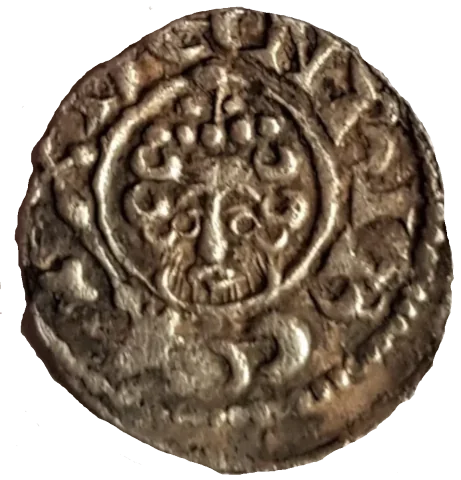
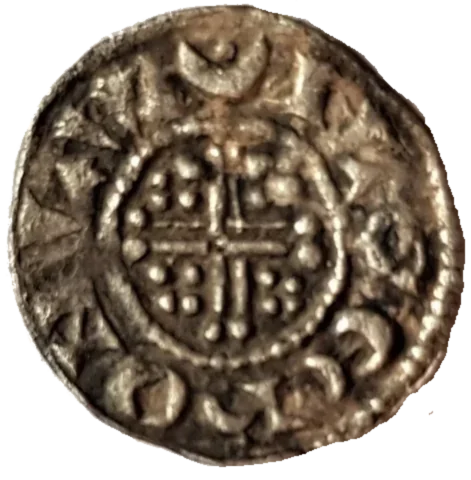
Year(s): c.1222
Mint: London
Moneyer: ILGER (Ilgerius Aurifaber - the king's goldsmith and a Custodes Monetae)
Obverse: HEN·RI·RE X, crowned facing portrait, with sceptre in the legend. Legend starting at 11 o'clock.
Reverse: ILGERONLV with horizontal crescent surrounding a pellet at 12 o'clock. "Short Cross" with four pellets in each quarter.
Reference(s): S.1357E, North 981/5
Scarcity: Extremely rare
Guide Price: £2500 (Fine) £7500 (Very Fine)
Year(s): c.1222
Mint: London
Moneyer: ADAM (Adam Blund - a Custodes Cuneorum)
Obverse: HEN·RI·RE X, crowned facing portrait, with sceptre in the legend. Legend starting at 11 o'clock.
Reverse: ADAMONLVND? with horizontal crescent surrounding a pellet at 12 o'clock. "Short Cross" with four pellets in each quarter.
Reference(s): S.1357E, North 981/5
Scarcity: Extremely rare
Guide Price: £2500 (Fine) £7500 (Very Fine)
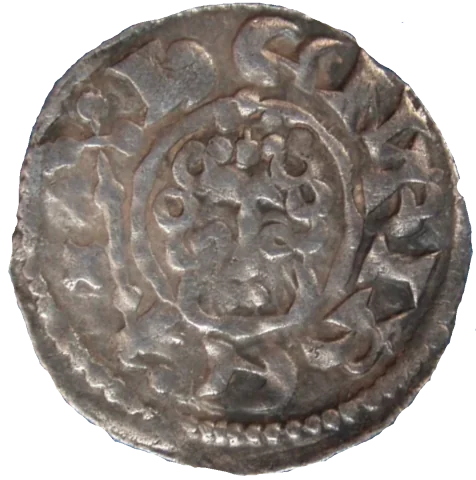
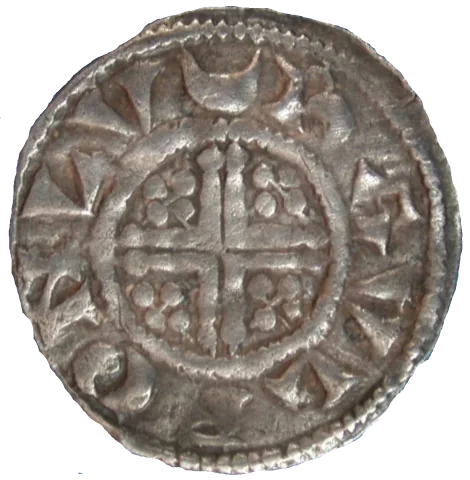
Year(s): c.1222
Mint: London
Moneyer: RAULF (Randulphus Frowik - a Custodes Monetae)
Obverse: HENRI RE X, crowned facing portrait, with sceptre in the legend. Legend starting at 11 o'clock.
Reverse: RAUFONLV with horizontal crescent at 12 o'clock. "Short Cross" with four pellets in each quarter.
Reference(s): S.1357E, North 981/5
Scarcity: Extremely rare
Guide Price: £2500 (Fine) £7500 (Very Fine)
Corpus of Coins
Abbreviations
- Birm. — Birmingham Museum
- BM — British Museum
- PAS — Portable Antiquities Scheme
- PC — Private Collections
- wnr — weight not recorded
HEN·RI·RE X / TERRIONLVN·D
2* rev. PC; private sale; 0.29g/12h
HEN·RI·RE X / TER·RIONLVN·
4 PC; wnr
HEN·RI·RE X / ILGERONLVND
6* Birm.; 2001 C 13; dectorist find 2001 nr. Worcestershire, acquired by Birmingham Museum and Art Gallery (with grant aid from Resource/V & A Purchase Grant Museum Fund); 0.31g 7 PC; CNG, Auction 38, 6-7 June 1996, lot 1765; 0.26g
HEN·RI·RE X / ILGERONLV
HEN·RI·RE X / ADAMONLVND?
HENRI RE X / RAUFONLV
11 PC; wnr
12 PC; wnr
Footnotes
- Ruding, Rogers. Annals of the Coinage of Britain and its Dependencies. Vol. 1. London, 1817, 348-9. ↩
Research & Resources
Contact
For corrections, additional examples, or research enquiries, please email:
admin@hammeredfarthings.co.uk